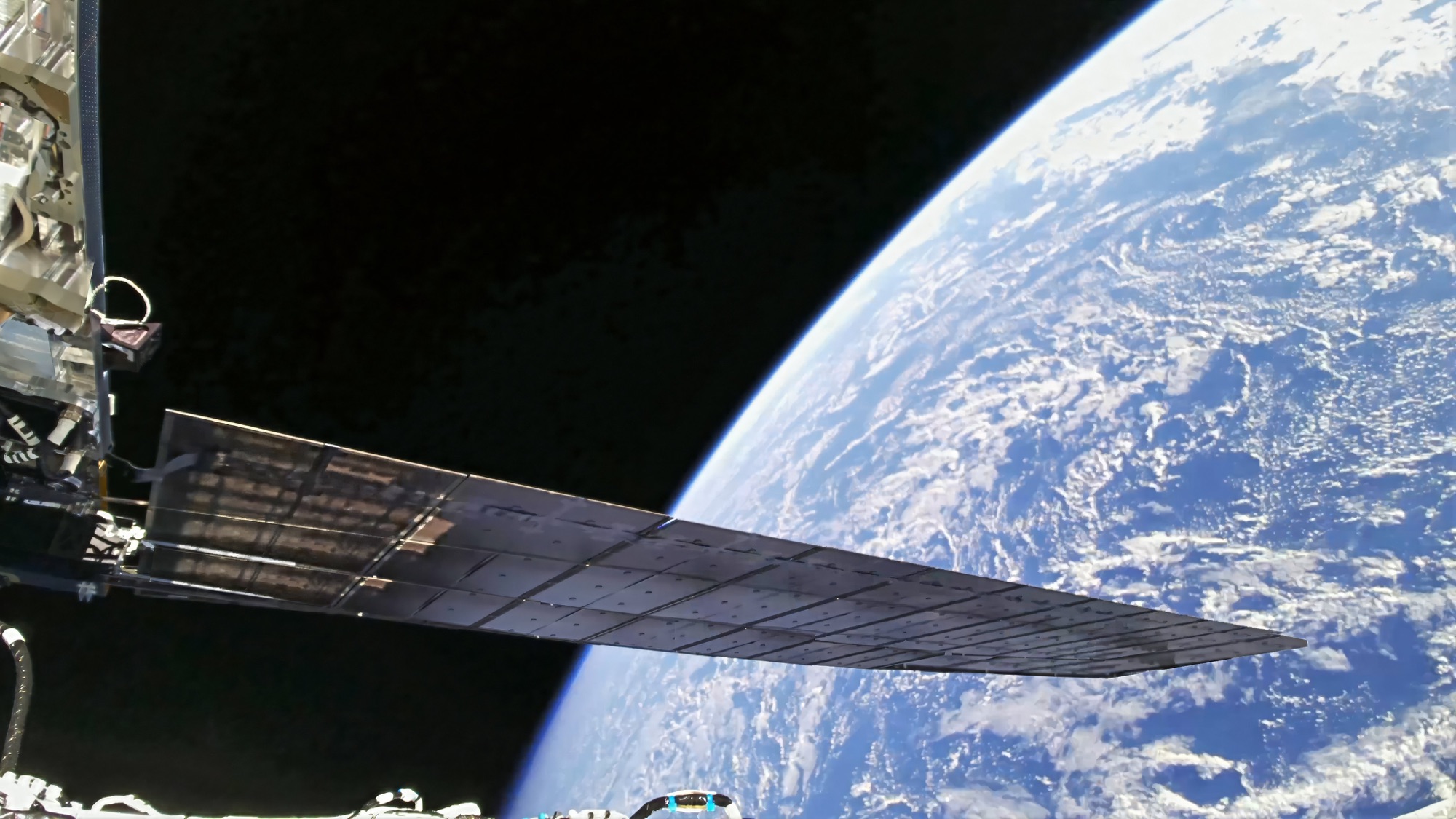
Washington D.C., February 16, 2026 – The U.S. Federal Communications Commission (FCC) has given Amazon the green light to significantly expand its low-Earth orbit (LEO) satellite network, a move set to intensify competition with SpaceX’s Starlink. The approval allows Amazon to deploy 4,500 additional satellites, bringing its total constellation close to 7,700 satellites worldwide.
This expansion is part of Amazon’s ambitious Project Kuiper, aimed at providing high-speed internet access to underserved areas across the globe. Experts say the decision marks a critical moment for the satellite internet industry, promising faster service, increased connectivity options, and a more competitive market.
Amazon vs. SpaceX: A New Chapter in the Satellite Race
Since its announcement in 2019, Project Kuiper has sought to rival SpaceX’s Starlink network, which currently operates over 9,000 satellites and serves millions of users worldwide. With the FCC’s recent approval, Amazon now has regulatory backing to scale up its operations and enter direct competition with Starlink.
“Amazon is now fully positioned to challenge SpaceX in the satellite broadband market,” said Mark Johnson, a satellite technology analyst at Morgan Stanley. “This could lead to better service options and more affordable pricing for consumers, especially in areas where traditional internet infrastructure is limited or unreliable.”
The FCC approval comes with stringent requirements to mitigate potential risks, including strict orbital debris management, collision avoidance protocols, and compliance with international space regulations.

What This Means for Consumers and Businesses
For households, the expansion promises increased access to reliable internet in rural and remote regions, both within the U.S. and internationally. Communities that have struggled with poor connectivity may soon experience faster speeds and lower latency.
For businesses, particularly in shipping, aviation, and logistics, the expanded satellite network could offer more dependable and secure communications. “Competition between Amazon and SpaceX is likely to drive innovation and improve quality across the board,” explained Sara Patel, a technology consultant in Silicon Valley.
Challenges Ahead
Despite the milestone, Amazon faces several hurdles before Project Kuiper can reach full operational capacity:
Orbital Congestion: Thousands of additional satellites increase the risk of collisions in LEO, requiring advanced tracking and deorbiting procedures. Astronomical Interference: Astronomers have expressed concerns about light pollution affecting telescope observations. Regulatory Coordination: Large-scale deployment demands careful compliance with international space traffic regulations.
Amazon has committed to proactive measures, including deorbiting old satellites and collaborating with global agencies to minimize risks.
The Future of Satellite Internet
The satellite broadband market is entering a new era. Analysts predict that competition between Amazon, SpaceX, and emerging players like OneWeb and Telesat will accelerate technological development and expand coverage to more regions than ever before.
“Satellite internet is no longer a niche service,” Johnson said. “It’s becoming essential infrastructure as remote work, online education, and global communications continue to grow.”
Amazon expects parts of its expanded constellation to be operational by 2027, with full deployment planned for 2029, setting the stage for a direct challenge to Starlink’s global presence.